Mostrando postagens com marcador Mythology. Mostrar todas as postagens

sexta-feira, 11 de agosto de 2017

Sunflower


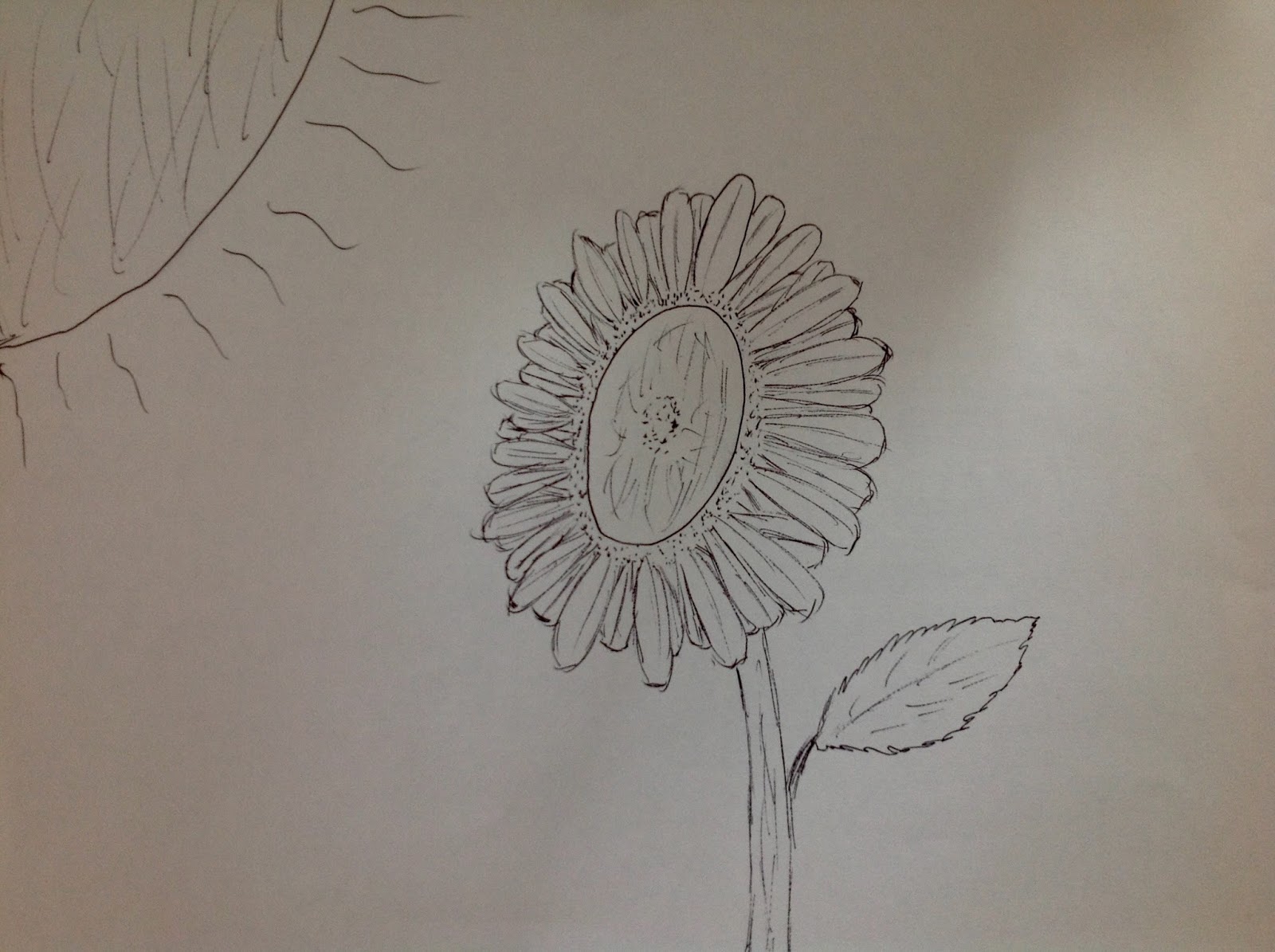
   Clytie was a water nymph, in love for Apollo, which didn’t correspond for her love, and that’s made her languish. She used to stay all day long, set on the cold floor and her braids unleashed on her shoulders. For nine days she remained, without eating or drinking, feeding only with her own tears and with the icy dew. She contemplated the sun, from the time it rose up in the spring to hide in the sunset, after its daily course; She saw nothing else, her face was constantly turning to the sun. After all, it is said, her feet rooted to the ground and her face turned into a flower, which constantly moves on its stem, so that it is always facing the sun in its daily course, thus conserving the feeling of the nymph that gave origin to the flower.

segunda-feira, 27 de março de 2017

Echo


And your name will be echoing forever inside me...
 
Echo was a beautiful nymph, a lover of woods and mountains, where she devoted herself to rural distractions. She was Diana's favorite and was her company on her hunts. She had a flaw, though: she talked too much, and in every conversation or argument she always wanted to say the final word.
One day Juno was looking for her husband, who was rightly suspected that was amusing himself with the nymphs. Echo, with her conversation, did entertain the goddess, until the nymphs fled. Realizing this, Juno condemned her in the following words:
- You will only keep the use of that language with which you eluded me for something that you like so much: Reply. You will always say the last word, but you will never be able to speak in the first place.
A few days later the nymph saw Narcissus, a handsome young man, chasing the mountain hunt. She fell in love with him and followed him. How much she wanted to speak to him, to say him kind words and to win his affection! This, however, was out of her reach. She waited impatiently for him to speak first, so that she could respond. One day the young man, having separated himself from his companions, shouted aloud:
- Is anyone here?
"Here," echoed Echo.
Narciso looked around and saw no one, shouted:
- Come!
- Come! Replied Eco.
- Why do you run away from me? Narciso asked.
Eco replied with the same question - Why do you run away from me?
"Let's get together," the young man said.
The nymph repeated the same words with all the ardor and ran to Narcissus, ready to throw herself into his arms.
- Get away! Exclaimed the young man, backing away. "I'd rather die than let you own me!"
"Own me," said Eco.
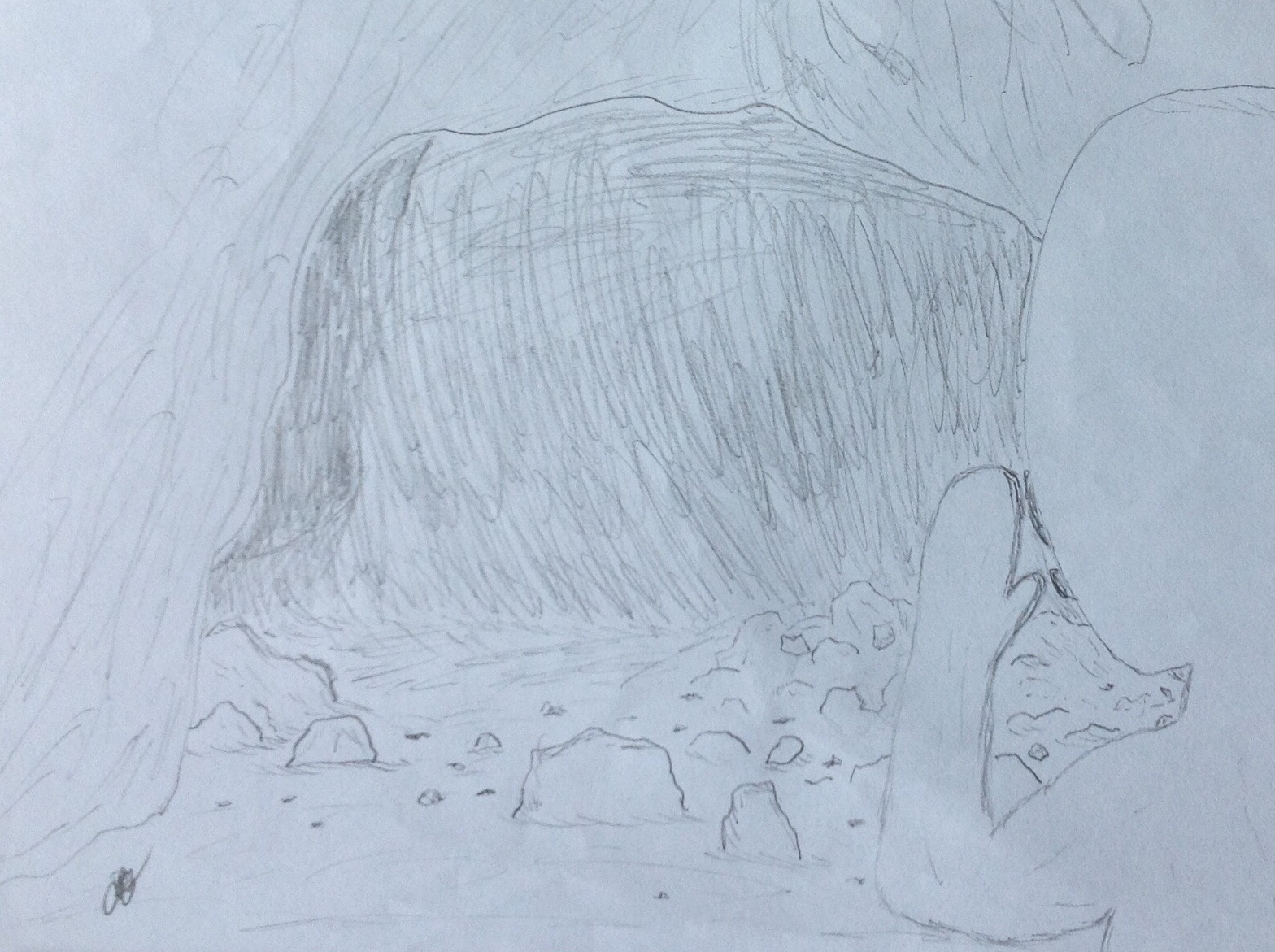
But all was in vain. Narcissus fled and she went to hide her shame in the recess of the woods. From that day on, she lived in the caves and among the rocks of the mountains. In sorrow, her body languished until the flesh disappeared completely. Her bones turned into stone, and nothing more remained, only her voice. And yet, she's still willing to respond to anyone who calls her. Retaining the old habit of always saying the last word.

terça-feira, 8 de dezembro de 2009

A Caixa de Pandora

Prometeus era um dos Titãs, uma raça que habitava a terra antes da criação do homem. A ele e seu irmão, Epimeteus encubiu a tarefa da criação do homem. Prometeus pegou algumas sementes dos céus e plantou-as na terra, derramando água sobre eles e fazendo o homem à imagem dos deuses.
Ele deu ao homem uma estatura ereta. Enquanto os outros animais voltavam sua face para o chão, o homem podia olhar os céus e as estrelas. Ao homem também havia sido concebido diversas qualidades como coragem, força, sagacidade, velocidade, a um foi dado asas, garras a um outro, uma concha protetora a um terceiro, e assim por diante. E acima de todas as qualidades, Minerva junto com Prometeus, roubaram o fogo do paraíso fazendo com que descesse uma chama sobre o homem, o provendo então da inteligência para fabricar armas para caça, instrumentos de agricultura para obter seu próprio sustento, habilidade de comércio, proteger-se do clima, etc.
Até então a mulher ainda não havia sido criada. Conta a lenda que Júpiter a criou, e enviou a Prometeus e seu irmão como castigo por terem roubado o fogo do paraíso, e como castigo ao homem por ter aceito a dádiva. O nome dessa mulher era Pandora. Feita no paraíso, teve em cada parte da sua criação, um dedo de cada deus, fazendo dela a própria perfeição. Vênus lhe deu a beleza. Mercúrio, a persuasão. Apolo, a música, etc...
Assim criada, foi enviada a terra e logo apresentada a Epimeteus, que aceitou-a de muito bom agrado, mesmo sendo advertido pelo seu irmão para que tivesse cuidado com os presentes de Júpiter. Epimeteus tinha em sua casa, uma caixa. Nessa caixa estavam guardadas todas as mazelas da humanidade. Pragas como lepra, reumatismo, tuberculose, câncer e muitas outras, inveja, ira, malícia, traição, todo tipo de maldade e doença estavam lá.
Pandora, uma noite, tomada por uma enorme curiosidade em saber o conteúdo da caixa, abriu-a para olhar dentro. Foi então que todas as pragas e doenças escaparam para o mundo. Pandora, desesperada com o que havia feito, retirou de si, seu bem mais sagrado para preencher a caixa: esperança.
Então, ainda nos dias de hoje, qualquer que seja o mal que nos rodeia, a esperança nunca nos abandona por completo. E enquanto tivermos ela, nenhuma doença ou desgraça poderá nos derrubar completamente.


Prometheus was one of the Titans. A race which lived in the earth before the creation of the man. To him and his brother, Epimethius, was gave the task to create the man. So Prometheus took some heaven seeds and did plant on the earth, pouring water above it and making the man equal image of the gods.
He gave the man the straight position, while other animals with their faces turned to the ground. So the man would look to the heavens and the stars. To the man also was gave a lot of skills like courage, strength, sagacity, speed, etc. Also was gave to one a pair of wings, to another a protection shell, another with claws, and so on. Instead of all those skills, Minerva together with Prometheus, stole the heaven's fire, doing with this that a flame felt above the man giving him intelligence to make guns to hunt, agriculture instruments to get his self sustain, commerce skills, protection skills, etc.
The woman hasn't been created until than. Tells the legend that Jupiter had created her, sending to Prometheus and his brother as a punishment to had stolen the heaven's fire, and as the man punishment to have had accepted the gift. Her name was Pandora. Made in heavens, had on her creation a finger of every god, turning her into the perfection itself. Venus gave her the beauty. Mercury the persuasion, Apollo, the music, etc.
So, with the woman created, she was sent to the earth and so presented to Epimethius, that had accepted her very pleasant, even with the advertisement of his brother to take care with the Jupiter gifts. Epimethius has into his house a box. Inside this box existed all the human evil. Plagues, diseases, envy, angry, hungry, treason, all sort of bad things was there.
Pandora, one night, took by a great curiosity to know the box contents, opened the box to look inside. That was when all plagues and curses went out to the world. Pandora, despaired about what had done, took from herself her most precious gift to put inside the box: the hope.
So, until nowadays, doesn't matter the evil that is around us, the hope is always with us. And while its there, no evil or sickness will destroy us completely.

quinta-feira, 3 de dezembro de 2009

μεταμορφόω...

"In nova fert animus mutatas dicere formas corpora; di, coeptis (nam vos mutastis et illas) adspirate meis primaque ab origine mundi ad mea perpetuum deducite tempora carmen!"

Já que estamos falando de mitologia, lembrei de um livro que fomos apresentados em uma aula de um curso de Latim que havia feito. O livro Metamorfoses (Metamorphoseon) do poeta Romano Ovídeo. Metamorfoses constitui-se de 15 livros escritos em doze mil versos compostos em latim e que transcorrem poeticamente sobre a cosmologia e a história do mundo, confundido deliberadamente ficção e realidade, narrando a transfiguração dos homens e dos deuses mitológicos em animais, árvores, rios, pedras, representando o príncipio dos tempos, chegando à apoteose de Júlio César e ao próprio tempo do poeta, ou seja, o Século de Augusto (43 a.C. - 14 d.C.). Fazendo uma referência a própria Bíblia, pode-se dizer que Metamorfoses é o Velho Testamento da Mitologia greco-romana. Inclusive contendo curiosas coincidências e referências em alguns trechos, como o da criação do homem:

Ovídio
"Nasceu então o homem. Este, ou o fez de semente divina
aquele artífice do universo, a origem do mundo melhor;
ou então a tera recente, separada há pouco do alto éter,
talvez ainda contivesse sementes do céu, seu parente, terra
que o filho de Jápeto, misturando com água da chuva*,
moldou à imagem dos deuses que governam tudo."

*Nota do autor: Terra com a água da chuva forma o barro.

Gênesis 2, 5-7
"[5]Não havia ainda nenhuma planta do campo na terra, pois ainda nenhuma erva do campo havia brotado; porque o Senhor Deus não fizera chover sobre a terra, e também não havia homem para lavrar o solo. [6]Mas uma neblina subia da terra e regava toda a superfície do solo.* [7]Então, formou o Senhor Deus ao homem do pó da terra e lhe soprou nas narinas o fôlego da vida, e o homem passou a ser alma vivente."

*Nota do autor: A neblina trazia a chuva que regava a terra, formando também o barro.

Igualmente, temos em Metamorfoses um dilúvio que renovará o mundo.

Metamorfoses também influenciou diversas obras como A Divina Comédia (Dante Aleghieri), onde o Inferno é uma encenação de vários personagens mitológicos de Ovídio, debatendo-se em punições. Em Sonho de uma Noite de Verão, Shakespeare pega emprestado o conceito de metamorfose pela transformação parcial de Bottom, uma clara referência a Apuleio. As fadas de Shakespeare, assim como os deuses de meaçadoras e poderosas, com um controle sobre a natureza e os homens, mesmo que sejam benéficas. E temos outra vez a história de Píramo e Tisbe, Livro IV, que mais tarde se tornará Romeu e Julieta.
Franz Kafka, já no século XX, publica o conto A Metamorfose (1912) utilizando a metáfora das pessoas que são colocadas à margem da sociedade. O personagem principal, Gregor Samsa, ao contrário do "blasfemador e arrogante" Erisícton de Ovídio, é um caixeiro-viajante que trabalha muito para sustentar os pais e sua irmã jovem. No Erisícton de Ovídio, o personagem tem uma filha, Mestra, que sempre
arranja comida para o pai, enquanto que Gregor de Kafka possui uma irmã que se digna a entregar-lhe alimento mesmo sentindo repulsa dele.

Essas referências, assim como diversas outras, tornam Metamorfoses uma vasta fonte de estudos nas mais diversas áreas da psicologia, psicanálise e filosofia.


"In nova fert animus mutatas dicere formas corpora; di, coeptis (nam vos mutastis et illas) adspirate meis primaque ab origine mundi ad mea perpetuum deducite tempora carmen!"

As we're talking about mythology, I remembered a book that we were presented at our Latin classes once. The Metamorphoses book (Metamorphoseon) from the Roman poet Ovid. Metamorphoses is a compilation of 15 books wrote into twelve thousands verses in Latin and poetically talks about cosmology and the world creation, mixing fiction and reality, telling about the transfiguration of the men and gods into animals, trees, rivers, stones, representing the beginning of the times, getting to its highest point at Julio Ceaser and the own poet time, August Century (43 BC - 14 AD). Referencing the Bible itself, I can say that Metamorphoses is the Old Testament from the Greece-Roman Mythology. Including making curious references to some parts, as the creation of the man:

Ovid:
"So the man was born. Thus, or made him from the divine seed the artifice of the universe; or soon will have, apart very recently from the high Ether, maybe still had heaven seeds, its parent, earth that is son of Japeto, mixing with the rain water*, made him as the image of the gods that everything governs."

*Note from author: The earth mixed with the water rain making the clay.

Genesis 2, 5-7
"[5]There where no camp plant on earth, because yet no camp herb had been sprout; because the Lord didn't make rain over the earth, and also didn't have the man to prepare the ground. [6]But a fog came from earth and watered all the ground surface.* [7]So, made the Great Lord from the dust to the man and blew on his nose the breath of the life, and the man became living soul."

*Note from author: The fog brought the rain that sprouted the earth, also forming the clay.

The same way we have at Metamorphoses a deluge that will bring a new world.

Metamorphoses also had influence many works as the Divine Comedy (Dante Aleghieri), where the Hell is a play of many mythological characters of Ovid, struggling into punishments. On Midsummer Night's Dream, Shakespeare takes borrowed the metamorphoses concept at the partial Bottom transforming, a clear reference to Apuleio. The pixies of Shakespeare, as the Ovid gods, are powerful and threatening, controlling the human and the nature, even this being benefit. And also we have the history of Pirame and Trisbe, Book IV, that later will become Romeo and Juliet.
Franz Kafka, on the XX Century, publishes the tale The Metamorphoses (1912) using the metaphor of people that are placed apart the society. The main character, Gregor Samsa, against the "blasphemer and arrogant" Erisicton of Ovid, is a traveler salesman that works to sustain his parents and younger sister. At Erisicton, the character also has a daughter, master, that always get food to her father, while Gregor, from Kafka, has a sister that bring his food, even feeling repulse for him.

Those references, as many others, make Metamorphoses a large study source into a lot of psychology, psychoanalysis and philosophy areas.

sexta-feira, 27 de novembro de 2009

Proserpina e as Estações

Vênus, querendo trazer amor a Plutão, enviou seu filho Amor (o Cupido) para atirar uma de suas flechar nele. Proserpina estava na Sicília, brincando com algumas ninfas e colhendo flores, quando Plutão saiu de dentro do Etna com 4 cavalos negros. Ele a sequestrou levando-a para o reino de Hades, um lugar dentro da terra, o qual ele comandava.
Sua mãe, Ceres, deusa da agricultura, também conhecida como Mãe-Terra, buscou sua filha pelos quatro cantos do mundo, encontrando apenas um pequeno cinturão flutuando em um lago que fora formado pelas lágrimas das ninfas. Em sua fúria pela perda de sua filha Ceres fez com todos os vegetais, plantas e frutas parassem de crescer, lançando uma maldição. Ceres recusava-se a voltar para o Olimpo e ficou vagando pela terra, deixando um deserto por onde passava.
Preocupado, Júpiter enviou Mercúrio para negociar com Plutão a libertação de Proserpina. Plutão obedeceu, mas antes de deixá-la ir fez com que ela comesse seis sementes de romã. Diziam que aquele que comesse da fruta dos mortos nunca poderia retornar ao mundo dos vivos. Aquilo significaria que Proserpina seria obrigada a passar seis meses do ano em companhia de Plutão e os outros seis poderia passar com sua mãe.
Quando Proserpina estava com Plutão, sua mãe trazia o inverno, fazendo com que nenhuma planta, flôr ou fruta nascesse nesse período. Quando Proserpina voltava, então sua mãe com alegria trazia a Primavera, fazendo com que todas as coisas florescecem e crescecem.


Venus, in order to bring love to Pluto, sent her son Amor also known as Cupid to hit Pluto with one of his arrows. Proserpina was in Sicily, where she was playing with some nymphs and collecting flowers, when Pluto came out from the volcano Etna with four black horses. He abducted her in order to marry her and live with her in Hades, the Underworld, of which he was the ruler.
Her mother Ceres, the goddess of agriculture or of the Earth, went looking for her in vain to every corner of the earth, but wasn't able to find anything but a small belt that was floating upon a little lake (made with the tears of the nymphs). In her desperation Ceres angrily stopped the growth of fruits, flowers and vegetables, bestowing a malediction on Earth. Ceres refused to go back to Mount Olympus and started walking on the Earth, making a desert at every step.
Worried, Jupiter sent Mercury to order Pluto to free Proserpina. Pluto obeyed, but before letting her go he made her eat six pomegranate seeds, because those who have eaten the food of the dead could not return to the world of the living. This meant that she would have to live six months of each year with him, and stay the rest with her mother. When Ceres welcomes her daughter back in the spring the earth blossoms, and when Proserpina must be returned to her husband it withers.